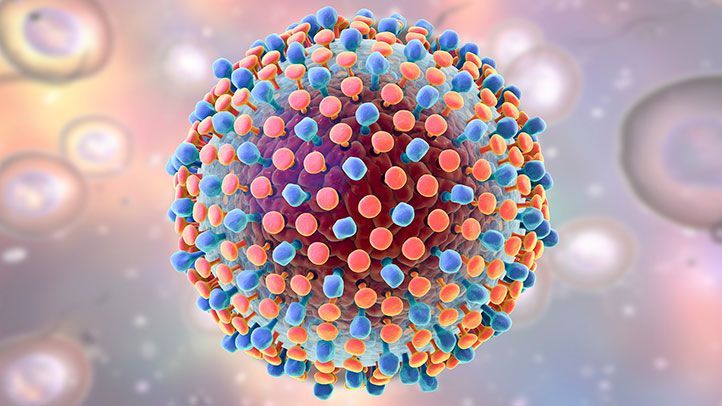

If you’re living with hepatitis C, or think you might be, the good news is that most adults now qualify for treatment, and today’s medications cure more than 95% of patients in most cases. In Kentucky, hepatitis C access has improved as Medicaid reimbursement restrictions have been liberalized over time, which makes treatment more reachable for many patients than it used to be.
Fresh Start Health offers hepatitis C treatment at Fresh Start Health for patients in Kentucky, including options that may fit people balancing work, transportation, recovery, and family responsibilities. That can include telehealth care and pharmacy coordination when appropriate.
This article is for general educational purposes only and is not personal medical advice.
Who usually qualifies for hepatitis C treatment?
Most people with chronic hepatitis C infection qualify for treatment today. National clinical guidance recommends treatment for nearly all people with hepatitis C, except for a few narrow exceptions such as pregnancy and certain very young children.
You will generally be considered for treatment if:
- You have a positive hepatitis C antibody test and confirmatory RNA testing showing active infection.
- You are able to take oral medication for the recommended treatment period, which is often 8–12 weeks.
- Your care team can complete the needed evaluation, lab work, and follow-up.
Some patients may need additional coordination, especially if they have cirrhosis, prior treatment failure, transplant history, or other complex medical issues.
Do I have to be sober first?
Many people still hear outdated information saying they must be sober for a long period before treatment, but access rules have changed significantly. Kentucky’s hepatitis C elimination planning notes that Medicaid treatment restrictions have been liberalized, reflecting a broader move away from older barriers.
At Fresh Start, hepatitis C care can be coordinated with addiction recovery support, including telehealth care and pharmacy logistics that make treatment more manageable in real life. Fresh Start providers also have extra training in hepatitis C evaluation and treatment.
What testing is involved?
Hepatitis C testing usually begins with an antibody test, followed by HCV RNA testing to confirm whether you have an active infection. CDC guidance explains that if you have active infection, treatment should begin without delay.
Your care team may also order labs such as liver function tests, kidney function, and other baseline studies before choosing the best medication. In many cases, the goal is to confirm cure by showing no detectable hepatitis C virus at least 12 weeks after treatment is completed.
What does treatment look like?
Modern hepatitis C treatment is usually much simpler than many people expect. Most patients are treated with oral medication for 8–12 weeks, and cure rates are typically above 95%.
A typical treatment path may include:
- An initial evaluation and lab review.
- Insurance review and prior authorization if required.
- Medication delivered through a partner pharmacy, either picked up locally or mailed when available through the care setup.
- Follow-up visits in person or by telehealth, depending on what is appropriate.
- A final viral load check 12 weeks after treatment to confirm cure.
How does insurance and cost work in Kentucky?
Insurance rules can vary by plan, but Kentucky has moved toward broader hepatitis C treatment access over time. The Kentucky hepatitis C elimination plan specifically notes that Medicaid reimbursement restrictions have been liberalized nearly across the board.
That said, prior authorization still exists with some plans, and some insurers may still require supporting clinical documentation such as recent lab work. A Kentucky prior authorization form example shows that some plans still request items like genotype, fibrosis information, toxicology documentation, and recent viral load testing.
If you do not have insurance, it is still worth getting evaluated, because treatment planning may include discussion of coverage options, assistance pathways, and pharmacy coordination.
Can hepatitis C be treated with telehealth?
Yes. Telehealth can reduce barriers such as transportation, distance, and scheduling problems, and it has been associated with strong patient satisfaction and outcomes comparable to in-person management in many hepatitis C care settings.
Telehealth may be especially helpful for patients in rural or underserved areas, and newer research has also shown improved hepatitis C success when telemedicine is paired with support systems. Fresh Start also offers hepatitis C care through telehealth, with medication available by office pickup or mail from a partner pharmacy depending on the arrangement.
Who should get tested?
Many people with hepatitis C do not feel sick, which is why testing matters. CDC recommends hepatitis C testing for all adults, all pregnant women, and anyone with recent exposure or risk factors.
You should especially ask about testing if:
- You have ever injected drugs, even once.
- You had a blood transfusion or organ transplant before routine screening was in place.
- You may have been exposed to blood through shared personal items or other risk factors.
- You have abnormal liver tests or symptoms that raise concern.
Frequently asked questions
How long does hepatitis C treatment usually take?
Most modern treatment courses are 8–12 weeks.
Can hepatitis C be cured?
Yes. Current treatment cures more than 95% of patients in most cases.
Do I need an active infection to start treatment?
Yes. A positive antibody test alone is not enough; active infection is confirmed by HCV RNA testing.
Can telehealth be part of hepatitis C care?
Yes. Telehealth can be used for evaluation, follow-up, and treatment coordination when appropriate.
What to do next
If you think you may qualify for hepatitis C treatment, the next step is to schedule an evaluation and get the right testing in place. CDC recommends treatment without delay once active infection is confirmed, and timely care can prevent serious long-term liver complications.
Fresh Start Health can help patients in Kentucky navigate testing, treatment planning, telehealth options, and pharmacy coordination, including medication pickup at the office or mailing through a partner pharmacy when available. You can also learn more or look for additional hepatitis C support resources at HepCNow.